

MER Biofeedback® Therapy at Lifekeskus
Release Stress and Emotional Tension: Your Journey to Emotional Balance and Inner Peace
Are you feeling more stressed than calm lately?
You may be experiencing ongoing anxiety, unexplained fears or panic attacks.
Perhaps you are struggling with sadness, a sense of emptiness or feeling weary of life.
Or you may be experiencing mental exhaustion, difficulty concentrating and persistent fatigue, and feel that even sleep no longer restores your energy. Perhaps you want to prevent burnout before it begins to affect your health, ability to work and everyday life.
You may feel that your motivation has disappeared, that everything feels heavier, and that everyday life no longer brings you the joy it once did. Life may simply feel out of balance.
You may also be struggling with low self-esteem, guilt, shame or loneliness.
If you have lost your sense of self-control, inner peace and joy, MER Biofeedback® Therapy can help restore balance and support mental wellbeing.
Start your journey towards greater wellbeing and a more lasting sense of inner balance with the support of Lifekeskus therapists and biofeedback technology.
At Lifekeskus in Estonia, we offer MER Biofeedback® (Mental and Emotional Release) therapy, which is unique worldwide. This method has been developed and refined over 20+ years of practice and more than 21,000 client sessions.
Our trained MER Biofeedback® therapists use an EU-registered and CE-certified biofeedback device to identify and rebalance emotional tension, subconscious negative thought patterns, and limiting beliefs.
The method is completely non-invasive, and the biofeedback device causes no discomfort.
Based on our extensive practical experience working with clients, MER Biofeedback® Therapy has proven effective in supporting emotional balance and mental wellbeing. The method has also helped clients build greater resilience, navigate everyday challenges and achieve lasting emotional balance and personal growth.
MER Biofeedback® therapy combines biofeedback therapy with the principles of positive psychology and helps create new, supportive thought patterns.
This gentle approach is suitable for all ages, from young children (1+) to seniors.
Written report: After each session, you will receive a report of the stressors identified and balanced.
MER Biofeedback® Therapy offers a comprehensive approach to achieving and maintaining a greater sense of wellbeing. It consists of three key elements:
1. Identifying emotional tension and subconscious thought patterns
During a session, our specialist uses the biofeedback device to identify emotional tension, subconscious negative thinking patterns, and limiting beliefs in real time. You do not need to recall, describe, or relive traumatic events or past setbacks. As you go through the sessions, you gain more awareness of your inner world, including limiting beliefs, emotional triggers, and negative thinking patterns that have developed over your life. This process can help you better understand existing patterns of thought and behaviour, creating a foundation for personal growth and positive change.
2. Rebalancing emotional tension and and subconscious thought patterns
Once the sources of emotional tension have been identified, they are rebalanced with the support of the biofeedback device.
MER Biofeedback® Therapy helps calm the mind, relax the body and support greater awareness and control of emotional responses. It can also help build greater resilience to stress and improve your ability to navigate everyday challenges.
The aim is to develop greater and more lasting emotional balance, supporting an increased sense of wellbeing and satisfaction with life. Ultimately, this can help encourage new and more positive ways of thinking, responding and approaching everyday life.
3. Applying the principles of positive psychology and developing supportive thought patterns
During the session, we also help you recognise your strengths and inner resources and support you in developing new, more positive and constructive ways of thinking.
Over 70% of our new clients come to us through personal recommendations, reflecting the proven effectiveness and quality of MER Biofeedback® therapy. Our seven certified therapists deliver approximately 450 hours of care every month.
How does MER Biofeedback® Therapy Differ from Other Types of Therapy?
You are completely free to choose whether, and how much, you wish to share about your past experiences during therapy.
During therapy, you do not need to recall, describe or relive difficult or traumatic experiences.
- If you would like to talk and share: you are welcome to share your story, concerns and feelings. Your therapist is there to listen with compassion, offer support, and help you explore new perspectives.
- If you prefer not to talk: you do not need to revisit, describe or relive difficult or traumatic experiences. Using the biofeedback device, your therapist can identify and rebalance emotional tension, negative thought patterns, and limiting beliefs without requiring you to discuss anything you do not feel ready to share.
The therapist plays a key role in each session, using the biofeedback device to identify the emotional tensions and underlying factors relevant to you as an individual. The biofeedback device does not identify or rebalance these factors on its own without a trained therapist.
At Lifekeskus, all MER Biofeedback® therapists have completed specialist training and are certified in the MER Biofeedback® method. Biofeedback practitioners outside Lifekeskus are not trained or certified in the MER Biofeedback® method.
Drawing on our extensive practical experience with biofeedback technology, we have developed the MER Biofeedback® method and identified the factors within the system that we have found most relevant in helping clients achieve more effective results in less time.
What are Clients' Experiences with MER Biofeedback® Therapy?
Based on feedback from our clients, we have found that MER Biofeedback® Therapy can help identify and rebalance negative thought patterns, limiting beliefs and emotional tension.
By rebalancing emotional responses associated with fear, anxiety, panic, mental exhaustion, anger, irritability, sadness, low self-esteem, feelings of inadequacy, guilt, shame and abandonment, clients can become less susceptible to automatic stress responses.
This can help them manage their emotions and reactions more effectively, particularly in challenging situations or relationships. As a result, they may find it easier to focus on everyday activities and make clearer, more considered decisions.
Throughout the therapy process, clients develop a deeper understanding of themselves and greater awareness of their thoughts and emotions. Each person has their own thought patterns, emotional blocks and responses shaped by their individual life experiences. This means that MER Biofeedback® Therapy can provide support across a wide range of emotional and personal challenges.
Results of MER Biofeedback® Therapy and How Many Therapy Sessions Are Recommended
After just one session, many clients reported:
50–70% reduction in fears, anxiety, panic, and excessive worry.
50-70% reduction in burnout and mental exhaustion in individuals in high-stress professions or family responsibilities.
60-70% increase in self-regulation.
50–70% reduction in feelings like sadness, anguish, and melancholy.
50–60% increase in their sense of satisfaction and well-being.
Most clients have given us feedback after just one therapy session. They have described the results of the therapy as follows:
- Reduction compulsive thoughts, including the abundance of thoughts, the so-called flurry of thoughts, have subsided.
- Reduced mental exhaustion and prevented burnout.
- Increased stress tolerance.
- Reduced fears, anxiety, panic attacks, excessive worrying, and phobias.
- Decreased feelings of sadness, melancholy, life weariness, and apathy.
- Increased self-regulation: Most clients managed their emotional responses more effectively in challenging situations or with difficult people.
- Redused feelings of abandonment and loneliness.
- Reduced feelings of grief and loss.
- Improved self-esteem and reduced feelings of inadequacy.
- Improved self-belief.
- Increased self-confidence and superior performance in sports, business, and specialised fields.
- Improved decision-making, and problem-solving.
- Reduced feelings of shame and worthlessness.
- Reduced emotional outbursts, including anger, rage, or frustration.
- Increased sense of satisfaction and well-being.
- Improved joy, positivity, and a renewed drive to take action, along with a deeper sense of motivation.
- Increased learning capacity.
- Increased courage to make desired changes, thereby enhancing one’s own quality of life and leading to concrete actions for life changes.
- Reduced hyperactivity, restlessness, and impulsivity.
- Improved attention span and concentration.
- Enhanced cognitive skills, including the ability to read, comprehend, relate to existing knowledge, remember, and utilise various types of information (texts, numbers, spatial objects, etc.).
How Many Therapy Sessions Are Recommended
The number of sessions varies from person to person, depending on your individual needs and the duration and intensity of the challenges you are experiencing.
We generally recommend three to five sessions to achieve more noticeable and lasting results. However, some clients experience the results they are looking for after just one session.
Many clients notice positive changes after their first session, reporting that they feel lighter, calmer and have greater clarity about their priorities and goals. They also describe feeling more confident about making meaningful changes and improving their quality of life.
Based on client feedback, noticeable and lasting changes can occur within one to five sessions, depending on the client’s emotional wellbeing and individual goals. For more lasting results, we recommend a minimum of three sessions.
The interval between sessions typically ranges from three to six weeks, depending on the purpose of the therapy.
Prolonged low mood and persistent emotional distress can contribute to deeply rooted negative thought patterns and limiting beliefs. Addressing these underlying patterns and emotional tensions may require additional sessions and repeated rebalancing.
During periods of significant stress in your personal or professional life, some clients choose to attend therapy more regularly to maintain emotional balance, support resilience and help prevent burnout.
Children aged 3 to 10 typically require just one to two sessions for concerns such as fears, anxiety, difficulty adjusting to change, anger, behavioural difficulties, low self-esteem, tics and involuntary muscle tension.
How are Stress Indicators Tested and Balanced?
A therapist uses a biofeedback device to measure the body’s responces based on an “action and reaction” principle, creating a form of dialogue between you and the device.
The Action (Stimulus) is a signal sent by the device, which is programmed to correspond with various emotions, thought patterns, or limiting beliefs. Your body “receives” these signals as questions.
The Reaction (Response) is your body’s subconscious response to these signals. The biofeedback device presents this information to the therapist in the form of descriptions and percentages.
This “question and answer” cycle allows the therapist to identify emotional tensions. limiting beliefs and negative thought patterns that you may not consciously recognise.
Once these sources of tension have been identified, the therapist uses counter-signals from the biofeedback device to help rebalance emotional responses, thought patterns and beliefs.
Information is exchanged between the biofeedback device and the client through sensors placed on the head, wrists and ankles. The sensors are made from conductive silicone and connect to the computer via a multifunction interface.
At Lifekeskus, we use an EU-registered and CE-certified biofeedback device as part of MER Biofeedback® Therapy to test and rebalance stress and tension.
Description of the Therapy Session
During a MER Biofeedback® Therapy session, you can sit comfortably in an armchair. Soft silicone sensors are placed around your head, wrists and ankles to connect you to the biofeedback device.
The biofeedback device causes no discomfort, and clients can relax and feel comfortable throughout the session. Using the device during therapy is analogous to using a smartwatch.
For young children, the sensors are placed around the head or abdomen. Books, drawing materials and toys are available, and children are welcome to play during the session if they wish. You are also welcome to bring your child’s favourite toys from home.
During the session, the therapist provides each client with personalised guidance to help develop new, positive thought patterns and support greater enjoyment of life, wellbeing and self-acceptance.
After each session, you receive a printed summary of the sources of emotional tension identified and rebalanced during the session.
MER Biofeedback® Therapy can be used in conjunction with medications, conventional medicine, and complementary therapies.
MER Biofeedback® therapy is not recommended for:
• Pregnant women.
• Individuals with pacemakers, glucose monitors, or transplanted organs.
Disclaimer: MER Biofeedback® therapy at Lifekeskus support relaxation and emotional balance and do not constitute medical advice or treatment. Always consult a licensed healthcare professional for medical conditions.
Tartu branch of Lifekeskus
Formation of Unconscious Thought Patterns and Their Influence
Unconscious thought patterns and beliefs often form through repeated exposure to specific ideas, behaviors, or emotional responses during key developmental periods or significant life experiences. These patterns can influence decision-making, emotional reactions, and behaviors without us being fully aware of their origins.
Unconscious thought patterns and limiting beliefs are programmes based on emotions and experiences that arise when we see, hear, feel, or experience something. Thus, life experiences shape our beliefs. The quality of these beliefs depends on the environment in which we were raised or the circumstances in which we currently live. Our thought patterns and beliefs are those thoughts that we consciously or unconsciously accept as truth in our lives. Whether we are aware of it or not, they can obstruct our ability to live freely and comfortably.
These programmed triggers, even if we are not aware of them, guide our decisions and behaviours, and shape our lives. The feeling of lack is one of the most common programmes that we involuntarily impose on ourselves and significantly affects our lives. It is an unconscious limiting belief such as: ‘He is smarter than me’, ‘She is more beautiful than me’, ‘He is richer than me’, etc.
Our therapists
Only trained and certified MER Biofeedback® therapists work at the Lifekeskus.
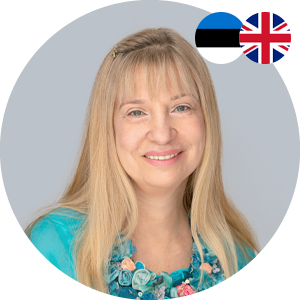
Angelika
Randjärv
Angelika has found her heart's calling through practicing MER Biofeedback® therapy.

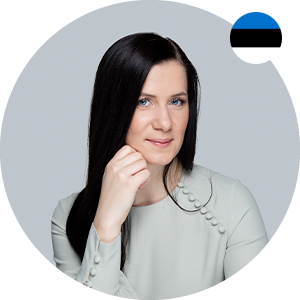
Veronika
Allas
Veronika knows from experience that it is possible to achieve inner contentment with the help of MER Biofeedback® therapy.
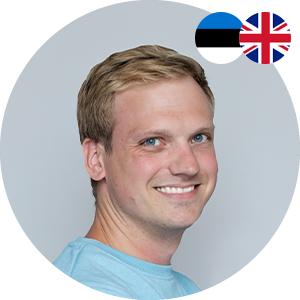
Kristo Epner
As a MER Biofeedback® therapist, Kristo aims to encourage clients to make changes to improve their quality of life.

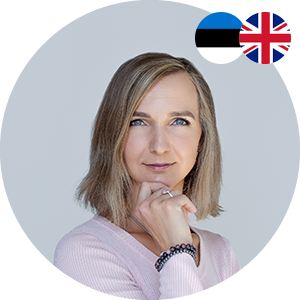
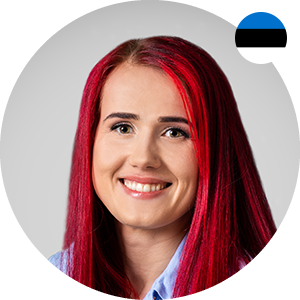
Marili
Otstavel
As a MER Biofeedback® therapist, Marili hopes to help clients achieve self-discovery and boost their self-confidence.